

How to Stay Ahead of the 10 Emergencies You’re Most Likely to Face
Most home emergencies don’t look like emergencies when they begin. They look like a small stain, a strange noise from the furnace, a brief flicker in the power, or a bit of water in a place it shouldn’t be. But left alone, these seemingly minor issues become the problems that derail your week, drain your savings, or even cause injuries.
The strongest advantage a homeowner can have is awareness — knowing which emergencies are most likely, what causes them, and how to stop them early. That’s the purpose of this guide. You don’t need to fix everything today; you just need to stay one or two steps ahead.
Top 10 Home Emergencies Ranked by Likelihood
This table gives homeowners an at-a-glance sense of what matters most — based on insurance data, repair frequency, national hazard reports, and homeowner surveys.
| Emergency Type | Likelihood | Pain Level | Why It Matters |
|---|---|---|---|
| Water Damage | Very High | High | #1 insurance claim; fast escalation |
| HVAC / System Failures | Very High | Medium–High | Happens to ~80% of homeowners yearly |
| Power Outages | High | Medium–High | Growing due to storms & grid strain |
| Home Accidents | High | High | Leading cause of home injuries |
| Indoor Air Hazards | High | Medium–High | Wildfire smoke, CO, gas issues rising |
| Severe Weather Damage | High (regional) | High | Increases yearly; older roofs vulnerable |
| Flooding / Water Backup | Moderate–High | High | Common even outside flood zones |
| Fires | Moderate | Very High | Most dangerous; fastest escalation |
| Structural Issues | Moderate | High | Small issues become expensive quickly |
| Gas Leaks | Low–Moderate | Very High | Silent, dangerous hazards |
This ranking helps homeowners prioritize their emergency planning — and understand why some preventive steps matter more than others.
1. Water Damage & Burst Pipes — The Most Likely Home Emergency
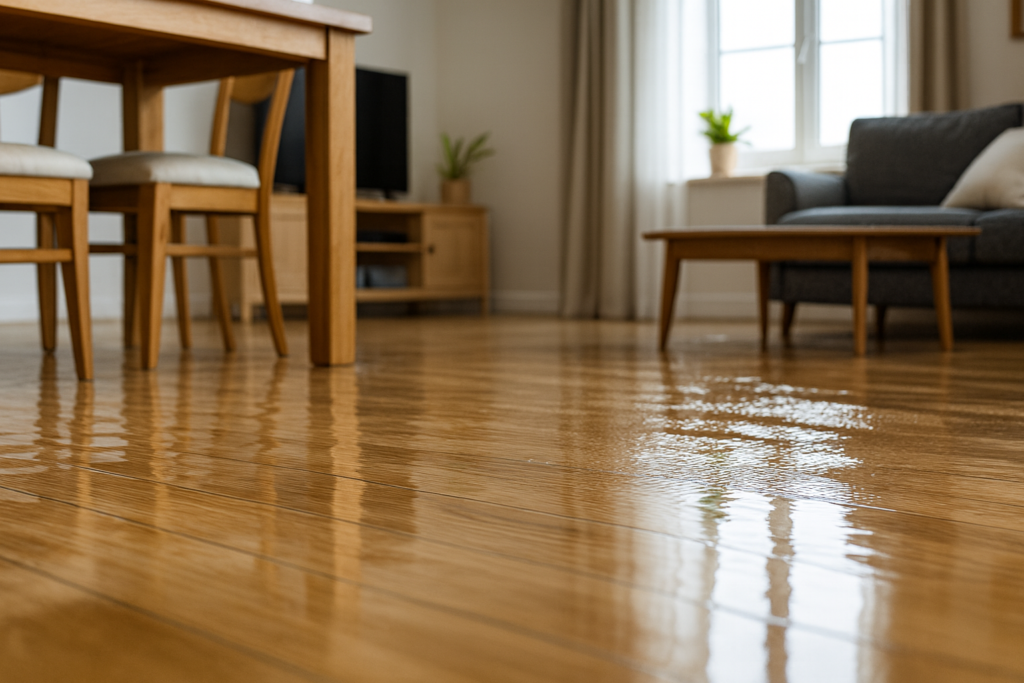
Likelihood: Very high — water damage is the #1 homeowner insurance claim in the U.S., outpacing fires, theft, and storms combined.
Water emergencies start quietly: a loose valve under the sink, a pinhole leak behind the wall, a roof shingle lifted by last week’s storm. Water spreads in silence — through subfloors, insulation, and wall cavities — long before homeowners realize anything is wrong.
This is especially common in homes older than 25 years, where plumbing begins to show signs of age. Homes with pipes in exterior walls or crawlspaces are more vulnerable in cold climates. Roofs older than 15–20 years are another weak point.
The difference between a $50 cleanup and a $15,000 repair is often when you notice the problem. Smart leak sensors and automatic shutoff valves give homeowners that missing time.
Insurance Tip (Search First):
Look up “water mitigation program,” “leak sensor discount,” or “smart shutoff rebate.” Many insurers offer these devices free.
Action Steps Worth Taking Now
- Label your main water shutoff valve.
- Place leak sensors under sinks and beside your water heater.
- Insulate exposed pipes.
- Ask your insurer about a shutoff valve benefit.
- Have your older roof inspected.
2. HVAC & System Failures — The Most Predictable Emergency
Likelihood: Very high — about 4 in 5 homeowners experience at least one major HVAC or appliance failure each year.
Most system failures don’t happen suddenly. Furnaces begin short-cycling, airflow weakens, temperatures fluctuate — but life is busy and these signs rarely get attention. Systems older than 10–15 years, especially those with deferred maintenance, are most likely to fail during extreme heat or cold.
Homes with older electrical panels also experience more HVAC problems due to inconsistent voltage and higher strain.
Smart thermostats and performance monitors act like early-warning tools, spotting unusual patterns long before homeowners notice them.
Insurance Tip (Search First):
Search for “electrical hazard monitoring program” or “smart home safety discount.”
Action Steps Worth Taking Now
- Replace your HVAC filter every 1–3 months.
- Use a smart thermostat to detect early issues.
- Schedule annual tune-ups.
- Keep airflow around your system clear.
- Have older electrical panels inspected.
3. Power Outages — Growing More Common Each Year
Likelihood: High — outages have risen nationwide due to storms, heat waves, and grid strain.
Short outages are manageable; long ones disrupt safety and comfort. Refrigeration, heat, cooling, sump pumps, garage doors, and medical equipment all rely on consistent power.
Homes with above-ground power lines, older neighborhood grids, or rural locations see longer outage durations. All-electric homes feel the impact fastest.
Smart battery systems and whole-home surge protection help turn outages from crises into inconveniences.
Insurance Tip (Search First):
Search for “surge protection discount” or “electrical risk reduction program.”
Action Steps Worth Taking Now
- Maintain a backup battery for essentials.
- Practice opening your garage door manually.
- Add surge protection at the breaker level.
- Put a flashlight in every bedroom.
- Sign up for utility outage alerts.
Want to take the guesswork out of prep?
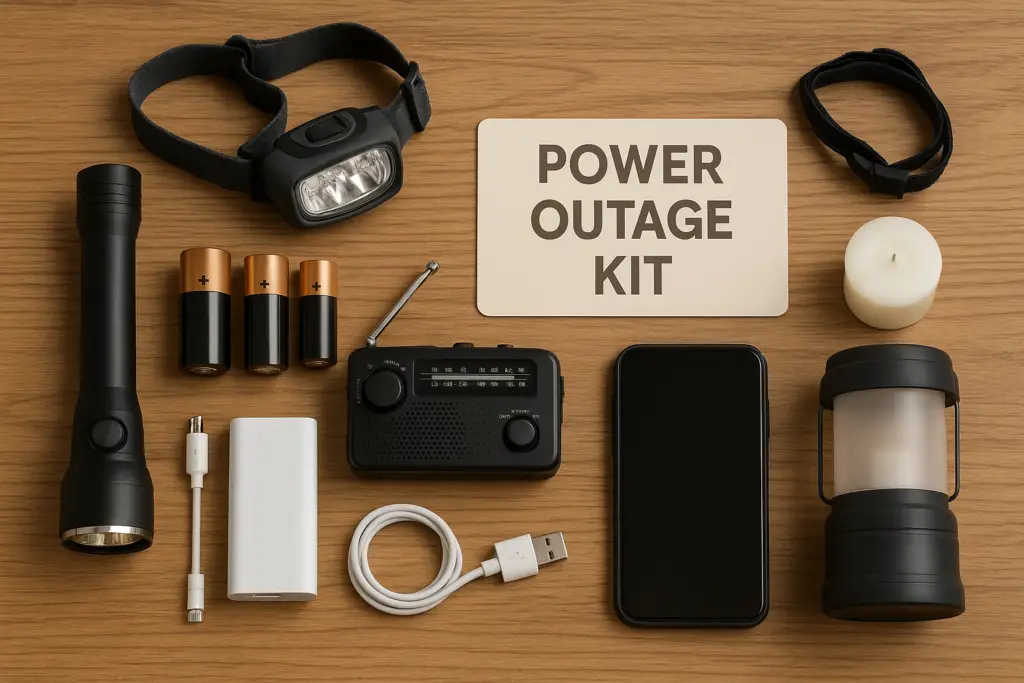
We created a Power Outage Prep Checklist you can download, print, and keep on hand. It includes what to check, charge, and stock up on — before the lights go out.
Whether it’s a 90-minute storm blip or a 3-day blackout, this one-page guide helps you:
- Keep food safe longer
- Maintain light, power, and comfort
- Avoid stress when the grid goes down
Print it now, prep once — and you’re ready.
Related Resource:
A well-prepared home emergency kit can make extended outages and other emergencies far easier to navigate. Build yours using AHA’s step-by-step Home Emergency Kit guide.
4. Severe Weather — Increasing in Frequency and Impact
Likelihood: High (regional) — storms cause more home damage each decade, especially to older roofs and drainage systems.
Severe weather tests your home’s weak points: roofing, drainage, windows, and garage doors. Even moderate storms can cause water intrusion if wind lifts shingles or drives rain into siding joints.
Risk increases for coastal areas, tornado regions, and heavily wooded neighborhoods. Homes with older roofs, mature trees, or poor grading are especially vulnerable.
Smart moisture sensors and weather radios give homeowners time to secure property before conditions worsen.
Insurance Tip (Search First):
Look up “wind mitigation,” “storm-hardening credit,” or “garage door reinforcement discount.”
Action Steps Worth Taking Now
- Clean gutters and extend downspouts.
- Trim trees near your home.
- Reinforce your garage door in high-wind zones.
- Secure outdoor items before storms.
- Inspect roofs after heavy weather.
5. Residential Fires — Low Frequency, Extremely High Consequence
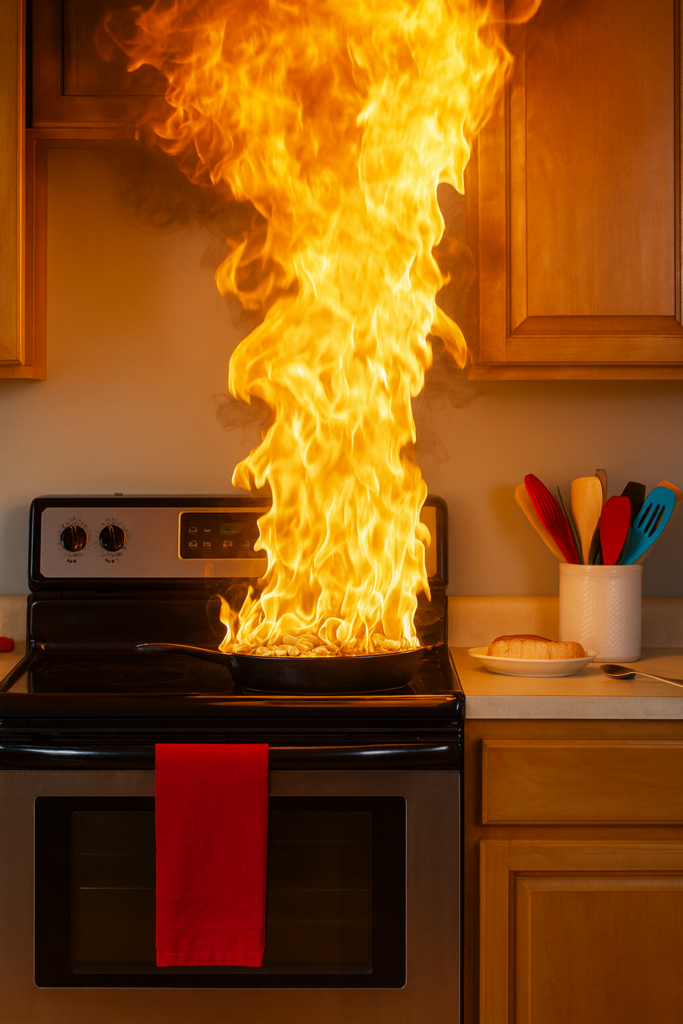
Likelihood: Moderate — but fire remains the most dangerous home emergency, with the highest risk of injury or fatality.
Most residential fires start in the kitchen — typically during everyday cooking. Others begin quietly: a loose wire, a forgotten pan, a space heater too close to linens, or lint buildup in a dryer vent. And because modern furnishings burn hotter and faster than older materials, fires escalate more quickly and produce more toxic smoke than most homeowners expect.
Homes older than 25 years, especially with original electrical panels or heavier appliance loads, face higher risk.
Smart smoke/CO detectors and Ting (which identifies electrical fire precursors) dramatically reduce fire risk. Many insurers provide Ting for free.
Insurance Tip (Search First):
Search for “Ting electrical fire prevention,” “smart smoke detector discount,” or “home safety program.”
Action Steps Worth Taking Now
- Keep a fire extinguisher close to your stove.
- Install interconnected smart smoke/CO detectors.
- Clean your dryer vent annually.
- Have older electrical panels evaluated.
- Enroll in Ting if offered free by your insurer.
6. Flooding & Sewer Backup — More Common Than Flood Maps Suggest
Likelihood: Moderate to high — millions of homeowners experience flooding outside designated flood zones.
Heavy rain, melting snow, clogged gutters, foundation issues, and sump pump failures all contribute to flooding. Basements, crawlspaces, and low-lying yards are particularly susceptible.
Homes in clay-soil regions, low elevations, or with aging sump pumps face much higher likelihood.
Smart flood sensors and sump monitors can alert you early — before the water reaches stored belongings or flooring.
Insurance Tip (Search First):
Search for “water backup program,” “flood sensor discount,” or “sump pump monitoring incentive.”
Action Steps Worth Taking Now
- Test your sump pump and install a battery backup.
- Extend downspouts away from the foundation.
- Clear outdoor drains before storms.
- Raise stored items off basement floors.
- Add flood sensors near drains and pumps.
7. Indoor Air & Environmental Hazards — Invisible but Increasing
Likelihood: High — wildfire smoke and indoor air hazards are rising nationwide.
Indoor air issues often cause symptoms before homeowners notice: headaches, fatigue, respiratory irritation. Common culprits include wildfire smoke, poor ventilation, aging HVAC systems, and trapped humidity.
Homes near wildfire zones, older homes, and those with poor airflow are most at risk.
Smart air-quality monitors act as protective, early-warning systems — especially during fire season or when ventilation is limited.
Action Steps Worth Taking Now
- Install an indoor air–quality monitor.
- Run HEPA purifiers during wildfire periods.
- Upgrade to MERV 11–13 filters if compatible.
- Service HVAC systems annually.
- Improve home ventilation where possible.
8. Home Accidents — The Most Preventable Emergency of All
Likelihood: High — falls, burns, and poisoning make up the majority of in-home injury events.
Most home accidents occur during ordinary activities: nighttime walking, cooking, reaching for cleaning supplies, navigating stairs. Risk increases significantly for young children and older adults.
Poor lighting, cluttered walkways, and unsecured chemicals are common contributors.
Simple upgrades — motion lights, grab bars, smart stove shutoff devices — greatly reduce injury risk.
Insurance Tip (Search First):
Search for “aging-in-place program,” “fall prevention benefit,” or “home safety reimbursement.”
Action Steps Worth Taking Now
- Add motion lights in hallways and bathrooms.
- Secure medications and cleaners.
- Install grab bars in high-risk bathrooms.
- Use a stove shutoff device if distraction is common.
- Remove loose rugs and tripping hazards.
9. Gas Leaks & Hazardous Fumes — Rare but Dangerous
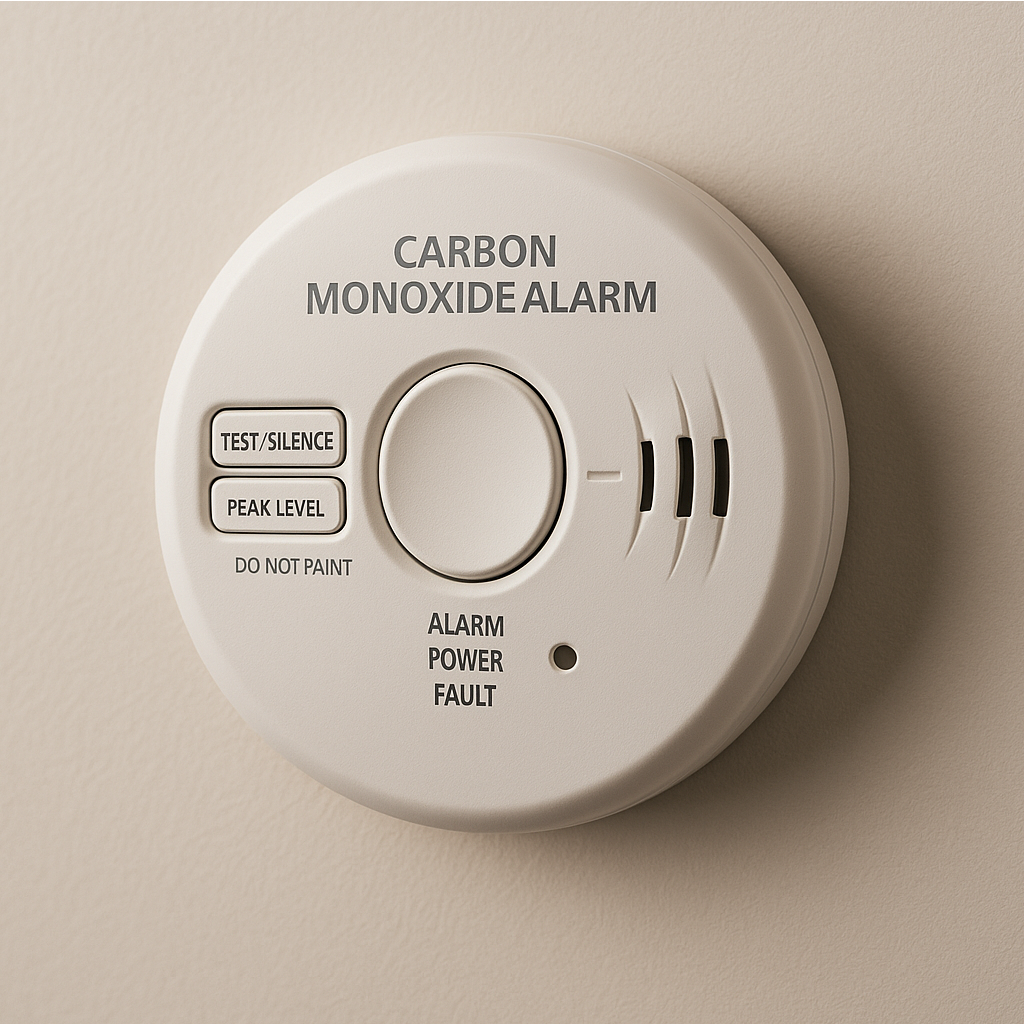
Likelihood: Low to moderate — but with the highest potential danger due to lack of warning.
Carbon monoxide is odorless. Gas leaks may disperse slowly before becoming noticeable. Homes with older gas appliances, attached garages, or earthquake-prone foundations face higher risk.
Smart CO and gas detectors provide early detection that homeowners can’t replicate with senses alone.
Insurance Tip (Search First):
Search for “CO detector discount” or “home safety incentive” — some insurers and cities offer rebates.
Action Steps Worth Taking Now
- Install smart CO and gas detectors near bedrooms and appliances.
- Learn how to shut off your gas line safely.
- Have gas appliances serviced annually.
- Avoid idling cars in attached garages.
- Improve ventilation in garages.
10. Structural Issues — Slow to Start, Fast to Escalate
Likelihood: Moderate — but far more common in older homes with drainage problems.
Structural concerns begin as small cracks, sticking doors, or minor water stains. Homes with poor drainage, clay soil, or large trees near the foundation face higher risk.
Moisture is the key accelerant with structural issues — once framing or foundation materials absorb water, deterioration accelerates.
Early detection with attic or foundation moisture sensors can prevent significant repairs.
Action Steps Worth Taking Now
- Walk your home exterior twice a year.
- Keep gutters clear to protect the foundation.
- Check the attic during and after storms.
- Address cracks early.
- Trim trees with intrusive root systems.
The Advantage of a Proactive Homeowner
Emergencies punish inaction, not ignorance. And the preventive steps in this guide are simple, straightforward, and proven. When homeowners take early action:
- a leak becomes a drip you catch early
- an HVAC issue becomes a scheduled repair
- a fire risk becomes a notification instead of an emergency
- a flood becomes a warning instead of a disaster
- a structural issue becomes a repair instead of a reconstruction
Proactive homeowners don’t avoid every problem — they just avoid being blindsided.