

Quick Answer
A good seasonal home maintenance checklist helps you stay one step ahead of the weather without turning your home into another full-time job. Start with the season you are in. Look first for safety concerns and active water problems, then prepare for the weather ahead, then handle comfort or appearance projects when they fit. In spring, check water paths and prepare cooling. In summer, watch heat, humidity, storms, and pests. In fall, prepare heating, drainage, fire safety, and outdoor water before cold weather. In winter, protect pipes, vents, backup power, and safe access. If a task involves roof access, electrical work, fuel-burning equipment, major plumbing, structural concerns, or unsafe reach, stop at observation and bring in qualified help.
Keep this list handy. Download the AHA Seasonal Home Maintenance Checklist (PDF) for a simple, season-by-season guide to what to check around your home.
Make This Seasonal Home Maintenance Checklist Fit Your Home
You finally get a free weekend, and the house starts competing for it. The gutters need attention. You cannot remember when the heating system was serviced. Somewhere, there is a list of things you meant to do last season.
The point of a seasonal home maintenance checklist is to make that feeling smaller, not hand you another giant assignment.
Think of the seasons as reminders, not rigid deadlines. Move cold-weather preparation ahead of your first freeze. Move sump-pump checks ahead of snowmelt or heavy rain. Schedule cooling service before you rely on the air conditioner every day. If you live in a mild climate, skip snow-specific work without skipping the real seasonal risks your home does face.
You also do not need to finish last season’s whole list before doing something useful today. Use this order:
- Now: safety concerns, active leaks, blocked exits, no heat or cooling in dangerous conditions, electrical hazards, carbon monoxide alarms, or damage that is getting worse
- Next: maintenance that should happen before the season changes, such as HVAC service, gutter cleaning, dryer vent cleaning, or tree work
- Later: cosmetic fixes, comfort upgrades, and nice-to-have projects that can wait until urgent work is handled
Owner’s manuals matter, too. Water-heater care, refrigerator-coil cleaning, deck treatments, filters, and appliance maintenance should follow the equipment, materials, and conditions in your home, not a generic calendar copied from someone else’s house.
Keep These Tasks On Repeat
Some home care is seasonal. Some of it is simply recurring. Keeping the repeat items separate makes the seasonal list easier to use.
If you want the shortest possible version, AHA’s five-task home maintenance checklist is a useful companion to this seasonal plan.
Test Alarms And Know What They Are Telling You
Test smoke and carbon monoxide alarms according to the manufacturer’s instructions, and replace devices that are expired, damaged, or no longer working properly. A fresh battery does not make an aging alarm new again.
If a smoke or carbon monoxide alarm sounds, treat it as urgent. Get outside to fresh air and call emergency services. Do not stay inside trying to prove whether the alarm is right.
Check Heating And Cooling Filters
During heavy heating or cooling months, check accessible HVAC filters regularly and replace or clean them when they are dirty or when your equipment instructions call for it. ENERGY STAR recommends monthly homeowner filter checks and annual pre-season heating and cooling checkups by a contractor. A dirty filter can restrict airflow and make the system work harder. ENERGY STAR’s maintenance checklist is a useful reference for what belongs in a professional checkup.
Make Dryer Care Part Of Laundry Day
Clean the lint filter before and after each cycle, and pay attention to whether the dryer takes longer than usual or the laundry room feels unusually hot or humid. For vented dryers, the U.S. Fire Administration also recommends checking that the venting system is not crushed or restricted and that the outdoor vent covering opens when the dryer is operating. Its dryer fire safety guidance is short and practical.
> Watch Out: Cleaning the lint screen does not clean the entire exhaust path. If the vent route is long, concealed, damaged, or unfamiliar, treat that as a service question rather than a guess.
Spring Home Maintenance Checklist
Spring is the recovery season. After cold, wind, rain, snow, or freeze-thaw cycles, start outside and look for places where water could get into the house or sit too close to it.
Check The Roof And Exterior From The Ground

Look for missing shingles, lifted edges, damaged flashing, sagging gutters, or tree limbs touching the roof. Use binoculars or photos from the ground when possible. Do not climb onto a roof that is steep, wet, damaged, or beyond your comfort level.
If you see loose material, interior staining, daylight in attic areas, or a ceiling stain that keeps changing, treat that as a repair question, not just a checklist item.
Clean Gutters And Confirm Downspouts Drain Away
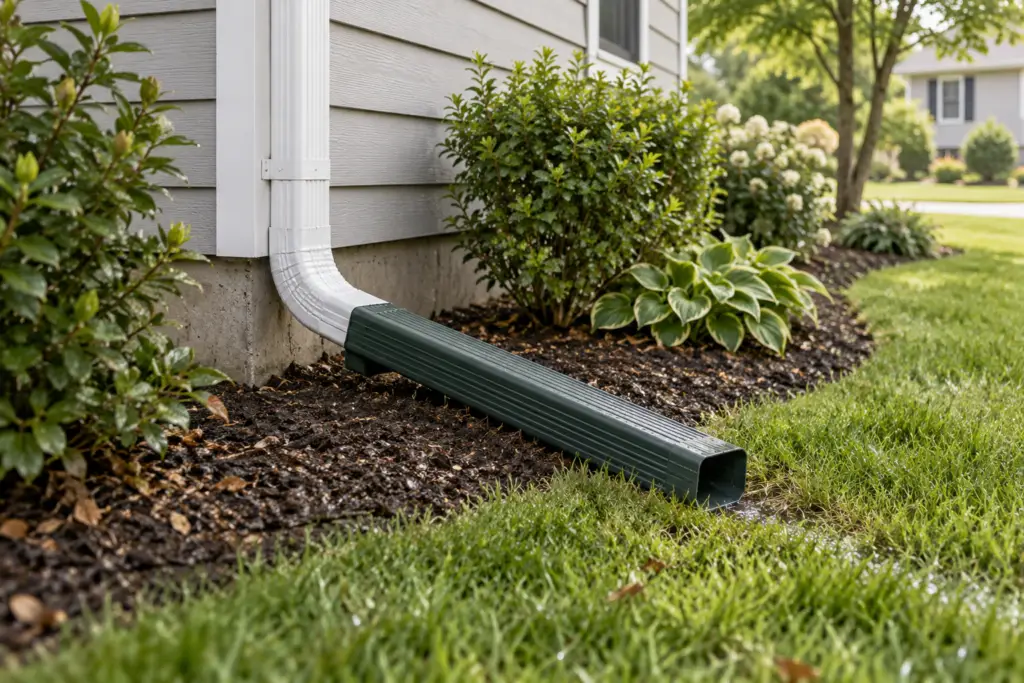
Gutters and downspouts matter because they move roof water away from siding, trim, basement walls, crawl spaces, and the foundation area. After cleaning, watch during a rain if you can. Look for water spilling over, downspouts dumping next to the foundation, or soil washed out near discharge points.
Make your notes specific. “Water gathers beside the back corner after rain” gives a contractor a much better starting point than “The yard seems wet.”
Check The Sump Pump Before Heavy Rain
If your home has a sump pump, test it before your wet season if you can do so safely and according to the manufacturer’s instructions. Confirm that the discharge path is clear and moves water away from the foundation. If the pump does not start, runs constantly, smells hot, or discharges next to the house, get it checked.
Prepare Cooling Before The First Heat Wave
Spring is a good time to clear leaves and debris around outdoor cooling equipment, confirm supply and return vents are not blocked, and note rooms that were uncomfortable last cooling season. If the system struggled last year, do not wait for the first heat wave to schedule service.
ENERGY STAR’s contractor checklist includes the condensate drain, which carries collected moisture away from central air conditioners, furnaces, and heat pumps in cooling mode. A blocked drain can become a water problem, not just a comfort problem.
> Pro Tip: Keep one simple note with the service date, filter size, and anything you noticed. A photo taken safely from the ground can help you explain a concern. You do not need a perfect maintenance binder.
Summer Home Maintenance Checklist
Summer is the stress-test season. Heat, humidity, pests, storms, and heavy cooling demand can reveal problems that were easy to miss in spring.
Watch For Moisture Clues
Look for musty smells, visible condensation, staining, pest droppings, damp materials, or recurring bathroom mildew. The EPA’s mold and moisture guidance puts the main idea plainly: moisture control is the key to mold control. It recommends fixing leaks and water problems, keeping air-conditioning drip pans and drain lines clear, and keeping indoor humidity below 60 percent when possible. EPA’s guide to mold and moisture is a useful source when dampness keeps coming back.
You do not need to identify every contaminant yourself. Your job is to notice the condition, reduce obvious moisture sources when safe, and get help for active leaks, widespread growth, sewage-related water, or difficult-access areas.
Keep Air Moving Without Overworking The System
Clean accessible ceiling fans, confirm vents are open and unobstructed, and keep vegetation and loose debris away from outdoor cooling equipment. If cooling is poor, the system cycles repeatedly, or water appears near the equipment, call a qualified HVAC technician rather than opening panels or attempting refrigerant or electrical work.
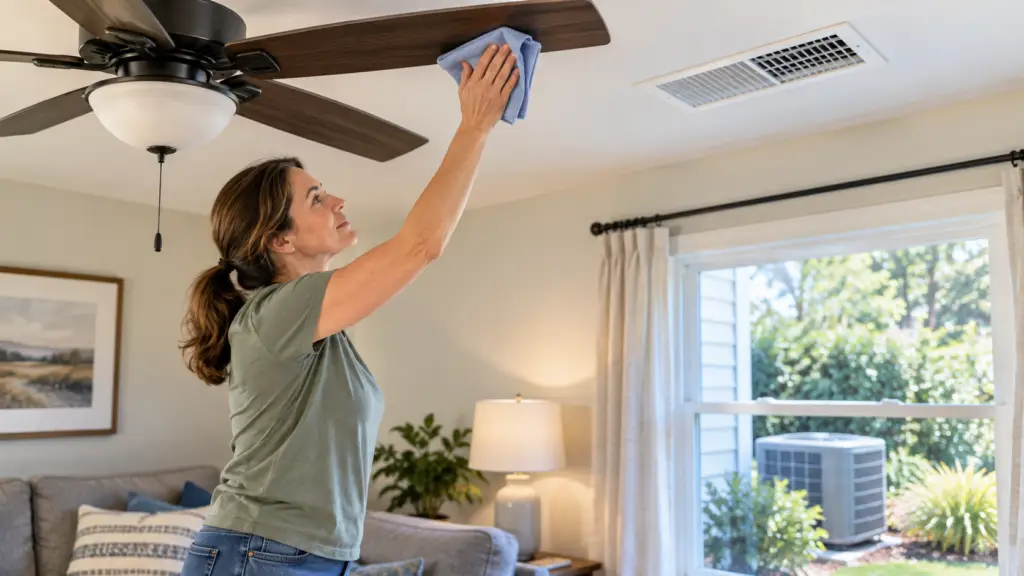
One uncomfortable room is a clue to document. Write down the room, weather, thermostat setting, and whether the issue changes when doors are closed or vents are blocked. That gives a technician or energy professional something better than a vague complaint on the hottest day of the year.
Trim Vegetation Before Storm Season
Trim branches away from roofing, siding, walkways, and service lines where you can do so safely from the ground. Keep shrubs from pressing against siding or blocking vents. For large limbs, utility-line proximity, steep slopes, or storm-damaged trees, use qualified help.
Before your area’s severe-weather season, review emergency supplies and backup-power instructions. AHA’s home emergency kit guide can help you think beyond flashlights and spare batteries.
Fall Home Maintenance Checklist
Fall is the preparation season. The best fall work makes winter less dramatic.
Schedule Heating Service Before Regular Use
Have a qualified contractor service heating equipment before cold weather, especially for fuel-burning systems. If you have a fireplace or wood stove, arrange appropriate chimney inspection or cleaning before regular use. Turning on the thermostat is not the same as confirming the system is ready for the season.
For homeowner-level work, replace or clean accessible filters and write down the filter size so you are not guessing later.
Prepare Outdoor Water Before Freezing Weather
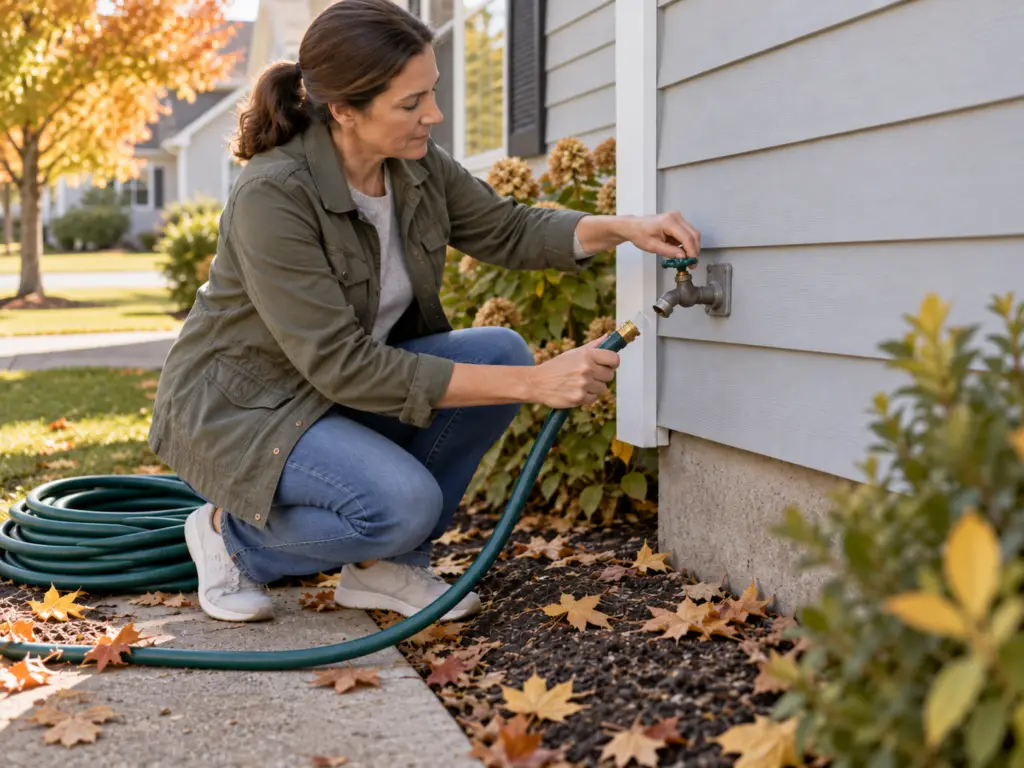
Disconnect, drain, and store garden hoses before freezing weather. Winterize faucets and irrigation according to the system’s instructions; shutoff and drainage arrangements differ. If you have a freeze-resistant fixture, follow the product instructions rather than assuming every outdoor faucet works the same way.
Look for plumbing in unheated or poorly heated areas such as crawl spaces, garages, exterior walls, and cabinets on outside walls. Insulate exposed pipes where appropriate, keep heat available to vulnerable areas, and know where the main water shutoff is before a leak happens.
Clear Gutters After Leaves Fall
Even if you cleaned gutters in spring, fall leaves can refill them quickly. Clear roof drainage before repeated freeze-thaw cycles. If gutters overflow or ice builds up later, the issue may involve drainage, insulation, ventilation, or roof-edge conditions, not just leaves.

Check Drafts You Actually Notice
Look at worn weatherstripping around doors and windows. Seal simple drafts when the area is dry and sound. If you see condensation between panes, water staining, peeling paint, or soft trim, note the condition before covering it.
For persistent comfort problems, AHA’s energy efficiency upgrades guide can help you think through smaller fixes, air sealing, insulation, and when a larger project may make sense.
Winter Home Maintenance Checklist
Winter is the protection season. Focus on safety, water, heat, and access rather than climbing around outside looking for extra work.
Use Generators And Backup Heat Safely
The CDC warns that generators, grills, camp stoves, and similar fuel-burning equipment can create dangerous carbon monoxide when used inside or too close to openings. Keep portable generators outside, away from doors, windows, and vents, and use a battery-powered or battery-backup carbon monoxide detector. The CDC also says never to use a gas range or oven to heat a home. CDC power-outage guidance is worth reviewing before storm season.
If indoor temperatures become unsafe, prioritize people first and seek a safe warming location.
Keep Vents, Walkways, And Entries Usable
Check accessible dryer, furnace, stove, and fireplace vents for snow, ice, or debris. Arrange help when you cannot reach them safely. Do not climb onto an icy roof to clear a vent.
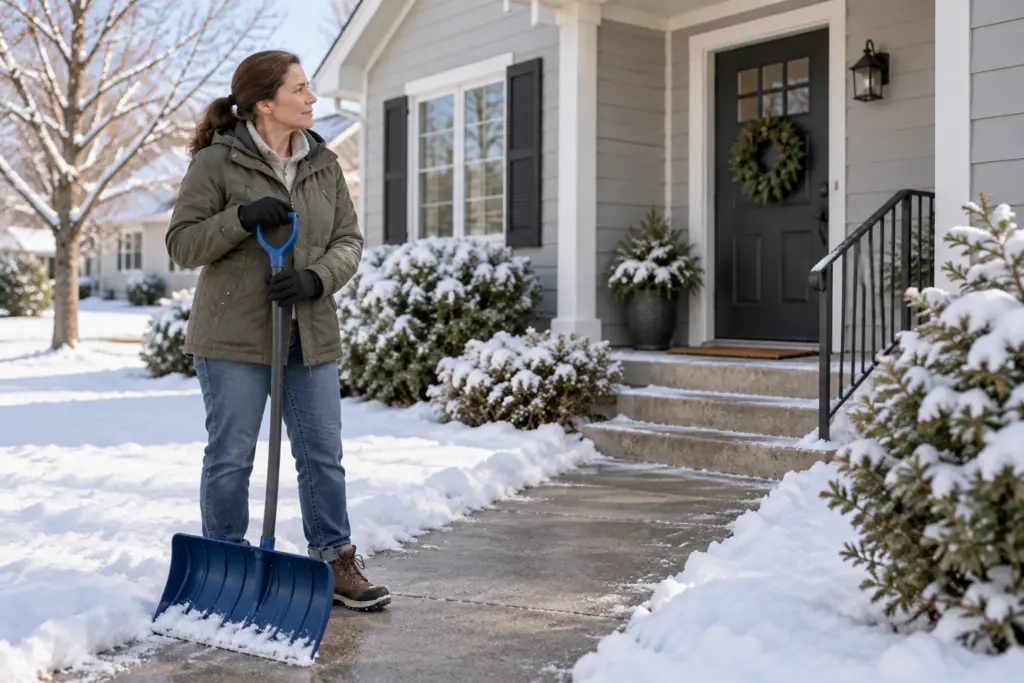
Keep walkways, stairs, and entry areas clear enough for safe use. Repair loose railings or uneven steps when weather allows, and use salt, sand, or another surface-appropriate treatment where needed.
Watch Pipes And Roof Edges For Changes
If a faucet slows to a trickle during severe cold, a pipe may be freezing. Do not use an open flame to thaw a pipe. If you cannot reach it safely, see splitting or bulging, or find active leaking, call a plumber.
Ice at roof edges can be a useful clue, too. Recurring ice buildup or related leaks may point to heat loss, ventilation, insulation, or roof-edge conditions. Handle the immediate safety issue first, and leave roof snow or ice removal to qualified help.
What To Outsource
You can do a lot by observing, cleaning accessible areas, changing filters, checking records, and keeping simple notes. You should not turn a checklist into unsafe work.
Consider qualified help for:
- Roof access, steep ladders, chimney work, or major tree trimming
- Electrical repairs, dead outlets, buzzing panels, repeated breaker trips, or damaged cords
- Fuel-burning heating equipment, combustion issues, gas smell, or carbon monoxide concerns
- Active plumbing leaks, frozen or split pipes, sewer backups, or sump pump failure
- Structural cracks, settlement, recurring water entry, or large areas of rot
- Pest infestations that need treatment beyond sealing, sanitation, and simple prevention
AHA’s Protect-Prevent-Improve repair prioritization guide can help you think through the line between what needs attention now, what should be prevented next, and what can wait. Hiring help does not mean giving up control. It means getting the right scope, asking what evidence supports the recommendation, and keeping the decision tied to your home.
Give Your Home A Plan, Not Your Entire Weekend
Pick one task that fits the season you are actually in. Put it on your calendar, make the appointment, or write down the question you need answered. Then keep the recurring basics on a separate rhythm so they do not get buried in the seasonal list.
The most useful version of this checklist is not the longest one. It is the one that helps you notice water, airflow, pests, safety devices, and weather exposure before they become expensive, unsafe, or stressful.
For a more guided starting point, use AHA’s HomeCheckup to organize what matters for your home. HomeCheckup gives you a practical annual snapshot based on the information you share. It is not a home inspection or a substitute for an on-site assessment; it is a calmer way to understand what matters now, what can wait, and what to plan for next.
You bought your home to live in it. A workable maintenance routine should leave room for that.