

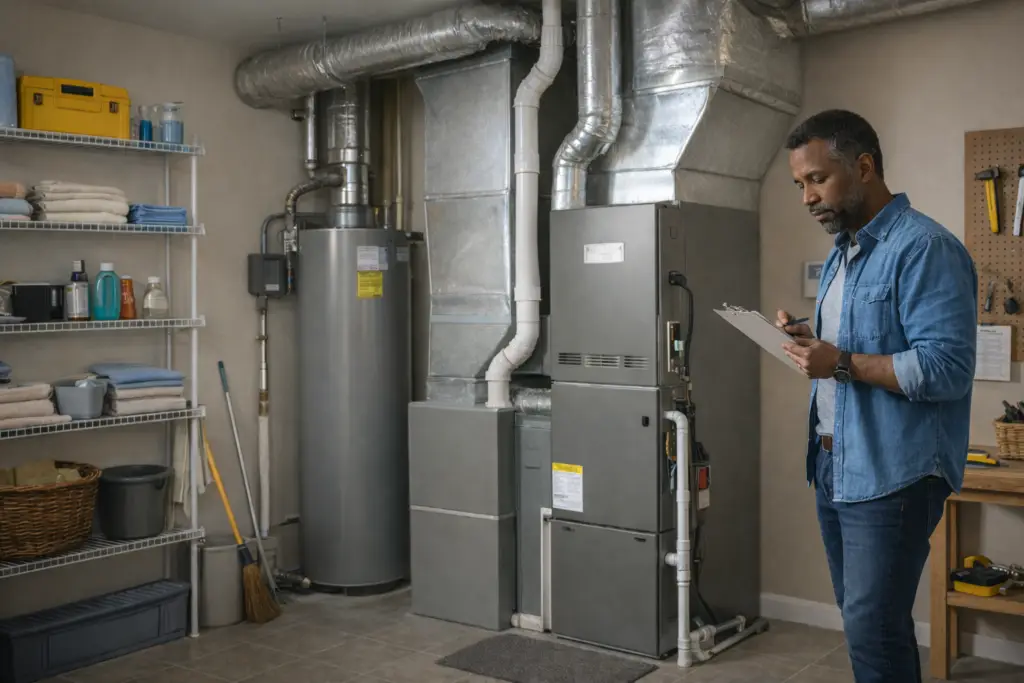
The Quiet Luxury of Modern Comfort
It’s easy to overlook what your HVAC system actually does for you.
You wake up in the middle of January and the house is warm — evenly warm. Not “hot near the vent and cold across the room.” Just steady. Comfortable. Livable.
Later, after a humid August afternoon, the air inside feels cool and dry.
Even during heatwaves and cold snaps, you sleep comfortably without thinking twice about it.
That kind of stability feels normal now.
It didn’t used to be.
Before modern heating and air conditioning, homes felt the seasons. Summer heat hung around long after sunset. Humidity crept into walls and bedding. In winter, one room might be warm while another felt like a refrigerator. Pipes froze. Fireplaces created hot zones near the hearth and cold air everywhere else.
Comfort depended on weather. On airflow. On proximity to heat.
Today, HVAC systems erase those extremes. They keep temperature steady. They manage humidity. They quietly protect the materials inside your home from constant expansion and contraction.
When they work, you barely notice them.
And that’s exactly why understanding HVAC lifespan matters.
How Long Does an HVAC System Last?
Most HVAC systems last somewhere between 12 and 20 years.
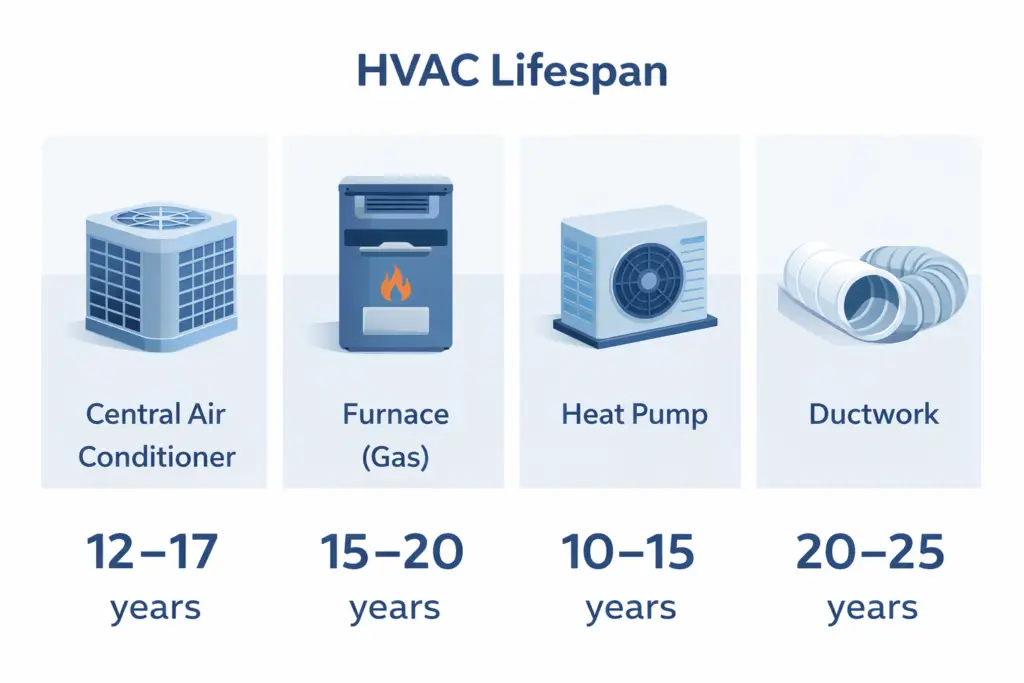
Central air conditioners typically run 12–17 years.
Gas furnaces often reach 15–20 years.
Heat pumps usually fall into the 10–15 year range because they work year-round.
But here’s the important part:
Lifespan isn’t just about age. It’s about stress.
A 12-year-old system in a mild climate with good airflow might have plenty of life left. A 9-year-old system that runs nonstop in heavy humidity — with leaky ducts and restricted airflow — may already be showing strain.
Calendar age tells you something. However, how hard the system has been working tells you far more.
What Actually Determines HVAC Lifespan
HVAC systems don’t wear out randomly. They wear out from resistance.
Airflow restriction is one of the most common hidden causes of shortened life. When filters go unchanged, return vents are undersized, or ductwork leaks, the system has to push harder to move the same amount of air. That extra strain builds slowly, year after year.
Even something that sounds smart — like installing the highest-rated air filter you can find — can backfire if your system isn’t designed for that level of restriction.
Sizing matters too. For example, oversized systems turn on and off constantly, and that repeated startup is hard on compressors. Meanwhile, undersized systems run nearly nonstop during peak weather. Over time, that continuous operation generates heat — and heat is what slowly breaks mechanical systems down.
And then there’s the house itself.
Poor insulation. Air leaks. Duct leakage. All of it increases runtime. All of it adds stress.
HVAC systems don’t operate in isolation. They operate inside your home’s envelope.
Protect the house… and you protect the equipment.
How HVAC Systems Age
Most systems follow a predictable rhythm.
The early years feel easy. Energy bills are steady. Comfort is consistent. Repairs are rare.
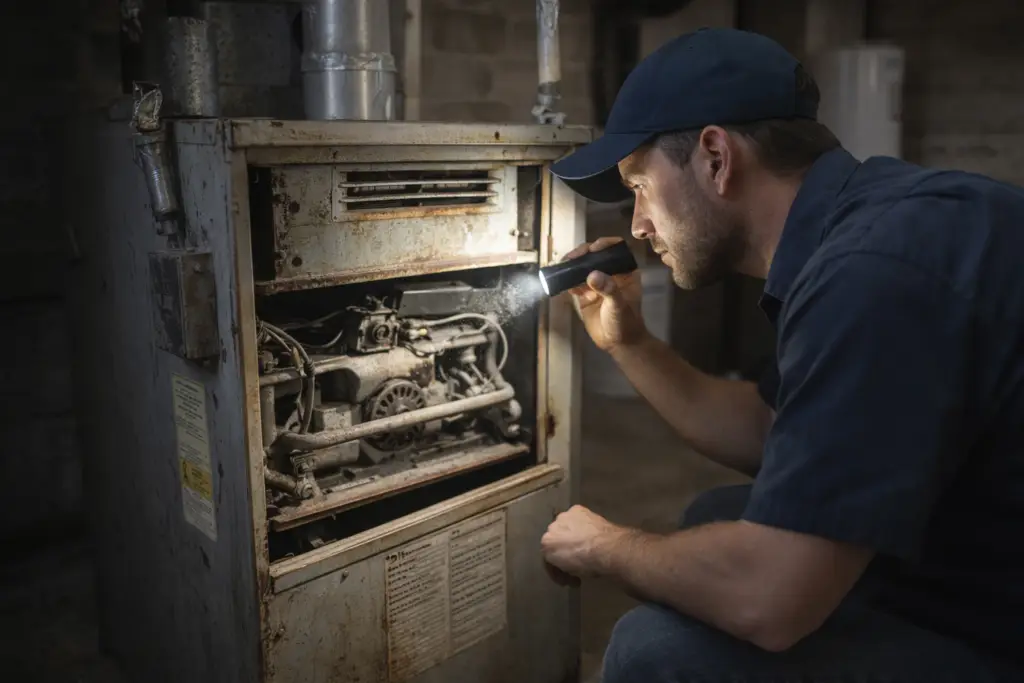
Somewhere around year eight to twelve, small parts begin to fail. A capacitor. A contactor. A sensor. These aren’t emergencies. They’re normal wear.
In the mid-teens, the tone changes. Refrigerant leaks become more common. Compressors start working harder. Control boards may fail. In furnaces, heat exchangers — which expand and contract thousands of times — can develop fatigue.
One subtle early sign homeowners often miss? Humidity.
If your home feels clammy even when the thermostat says it’s cool enough, that can be an early signal that performance is declining.
Systems rarely collapse overnight.
They narrow.
The key is noticing that narrowing before you’re forced into a decision.
The 10-Year Awareness Rule
Here’s one shift that makes a big difference.
At year ten, you don’t replace your HVAC system.
You start paying attention.
First, notice repair frequency.
During maintenance visits, ask about airflow and static pressure.
It also helps to find out what refrigerant your system uses.
Finally, begin setting aside funds — even modestly.
Most emergency replacements happen because homeowners only start thinking about lifespan when something breaks at year fifteen.
Planning earlier doesn’t mean spending earlier.
It just means removing urgency later.
When Repair Stops Making Sense
Every HVAC system has two lifespans.
Mechanical life — can it still run?
Economic life — does it still make sense?
Replacing a small electrical component in a 9-year-old system is one thing.
But, replacing a compressor in a 15-year-old system is another.
If repairs shift from occasional to annual, that’s not just bad luck. That’s a pattern.
Instead of asking whether your system will last another ten years, try this:
Is it likely to be reliable for the next five?
That five-year lens tends to bring clarity.
When It Makes Sense to Replace Before Failure
Sometimes the smartest HVAC replacement happens before a total breakdown.
If repairs are stacking up…
If comfort has noticeably declined…
If certain rooms never feel right…
Or if efficiency is far below current standards for your climate…
It may be time to think strategically.
Timing matters too.
Replacing during spring or fall — before extreme heat or cold — usually means more flexibility, more time to compare options, and less pressure.
Weather-driven decisions are rarely the calmest ones.
Extending HVAC Lifespan the Right Way
There are no secret tricks here.
Just consistency.
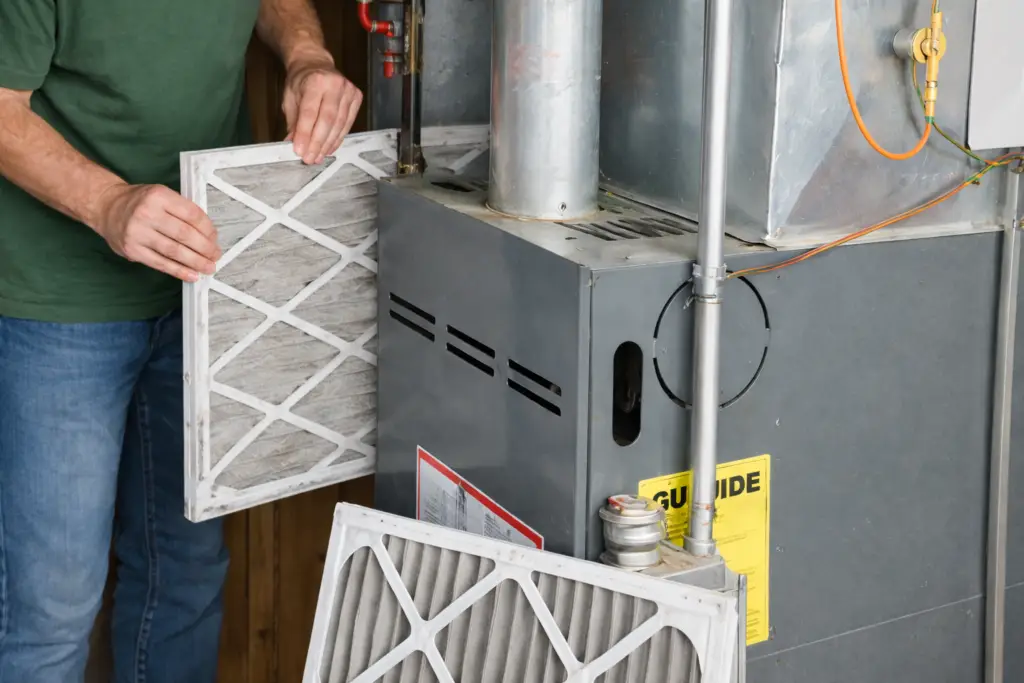
Change filters regularly — but don’t automatically choose the most restrictive one on the shelf if your system wasn’t designed for it.
Schedule annual maintenance that goes beyond a quick glance. Ask how the system is running. Ask if airflow is within normal range.
Keep the outdoor unit clear of debris. Make sure return vents aren’t blocked by furniture.
Seal obvious duct leaks when possible. Improve insulation where it makes sense.
Small reductions in strain, year after year, protect mechanical life.
Thinking in Windows, Not Deadlines
Under ten years old and running smoothly? Focus on maintenance.
Between ten and twelve years, start planning quietly.
From thirteen to sixteen years, evaluate repairs carefully.
Beyond that point, proactive replacement planning usually reduces stress — not increases it.
HVAC systems aren’t disposable appliances.
They’re infrastructure. They protect your comfort, your materials, and your daily routine.
Understanding HVAC lifespan isn’t about fearing failure.
It’s about recognizing the stage your system is in — and making calm decisions before they’re forced.
Frequently Asked Questions About HVAC Lifespan
How long does an HVAC system last on average?
Most HVAC systems last between 12 and 20 years, depending on the type of equipment, climate, installation quality, and maintenance history.
What is the average furnace lifespan?
Gas furnaces commonly last 15–20 years. The condition of the heat exchanger often determines end-of-life timing.
How long do heat pumps last?
Heat pumps typically last 10–15 years because they operate year-round for both heating and cooling.
What are signs an HVAC system is nearing the end?
Increasing repair frequency, rising energy bills, uneven temperatures, humidity control issues, short cycling, or unusual noises can all indicate the system is entering a higher-risk stage.
Should I repair or replace my HVAC system?
If the system is under 10–12 years old and the repair is minor, repair often makes sense. If the system is over 13–15 years old and facing major component failure or repeated repairs, replacement may provide better long-term value.
Final Perspective
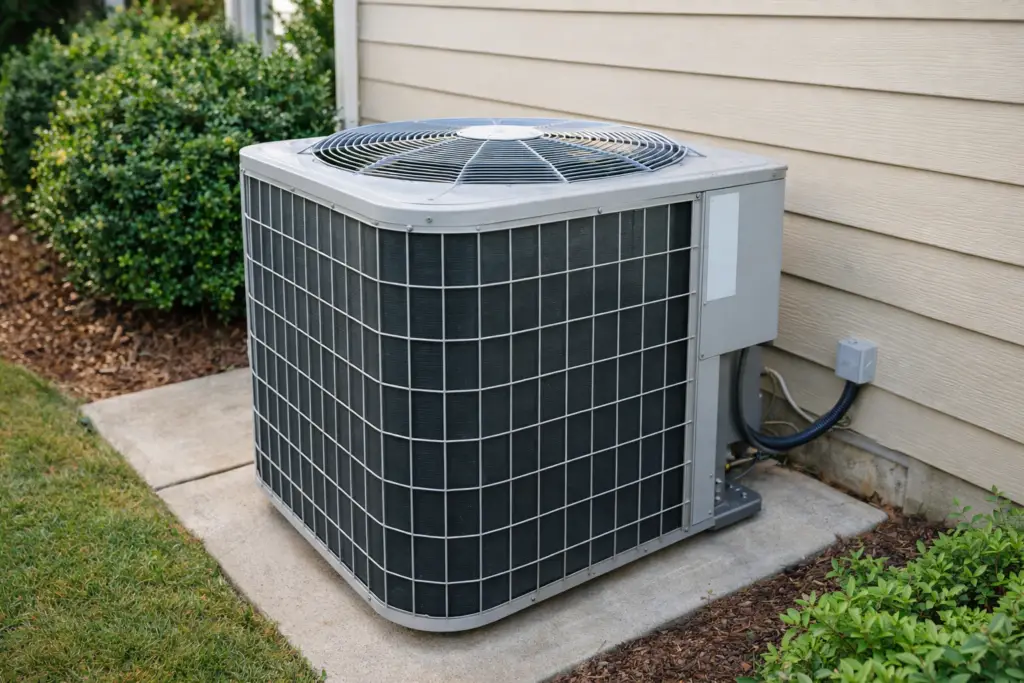
Modern HVAC systems transformed what living inside a home feels like.
They turned seasonal structures into stable environments.
But they are still mechanical systems. And mechanical systems age.
The homeowners who experience the least stress around HVAC replacement aren’t the ones who never have problems.
They’re the ones who understand where their system sits in its lifecycle — and plan accordingly.
That awareness keeps comfort predictable.
And predictable comfort is one of the quiet foundations of a well-run home.