


There’s something transformative about light. How it pours through clear glass on a winter morning or softens a room late in the afternoon. Windows do more than frame the outdoors. They shape how your home feels, how it holds warmth, and how quiet or drafty everyday life becomes.
But when windows start to fog, stick, or let cold air creep in, a practical question quickly follows: is replacing windows worth it when you compare energy savings vs cost? Many homeowners also wonder whether energy-efficient windows are worth it once comfort, resale value, and incentives are factored in.
This guide takes a whole-home view. We’ll walk through when full replacement makes sense, when lower-cost alternatives can deliver meaningful benefits, and how to decide what’s right for your home.
What Makes a Window Energy Efficient?
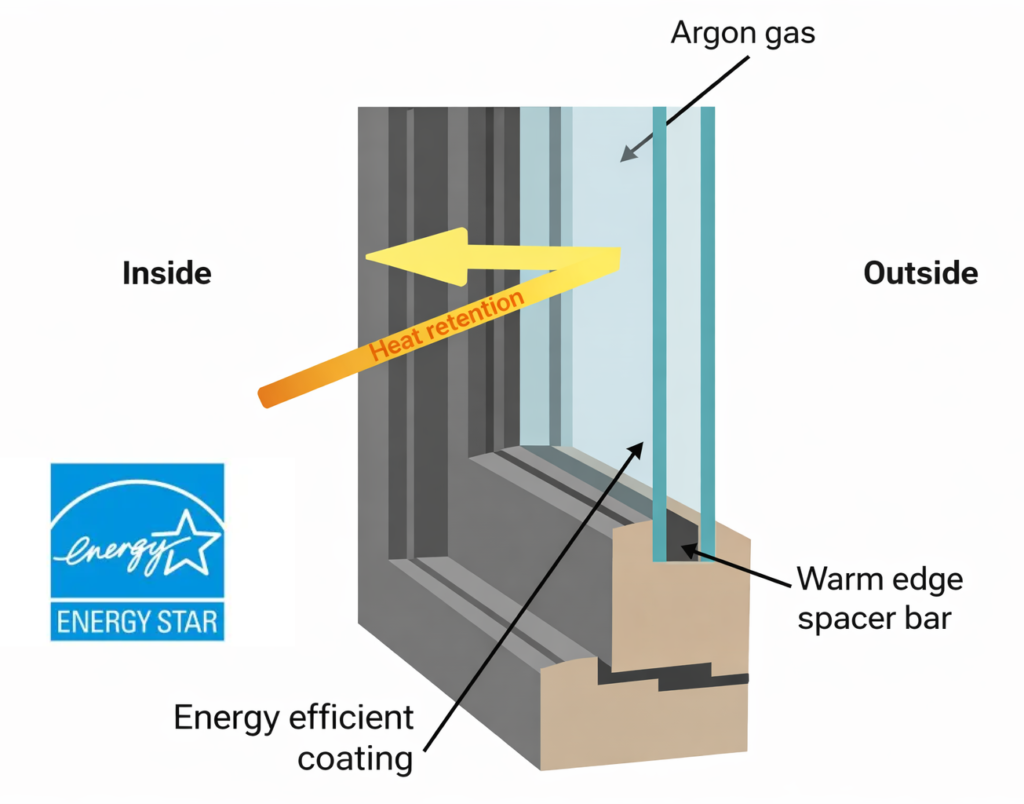
Energy-efficient windows are designed to slow heat transfer. They help keep warm air inside during winter and block heat gain in summer. The most effective models typically include:
- Low-E (low emissivity) glass, which reflects heat while allowing natural light
- Double- or triple-pane construction, creating insulating air pockets
- Argon or krypton gas fills between panes for added thermal resistance
- ENERGY STAR® certification, verifying performance standards for your climate zone
Think of energy-efficient windows like a high-quality thermos. They don’t just stop drafts. They help regulate temperature movement throughout your home.
The Real Cost of Replacing Windows
For most homeowners, the biggest hesitation is cost.
Replacing a standard, energy-efficient window typically costs:
- $600–$1,200 per window installed
- $10,000–$25,000 for a whole-house replacement, depending on window count, materials, and labor
Average Installed Cost by Window Style
| Window Style | Typical Cost Range |
|---|---|
| Double-hung | $150–$650 |
| Single-hung | $100–$400 |
| Sliding | $150–$800 |
| Casement | $150–$1,000 |
| Picture | $65–$700 |
| Awning | $400–$950 |
| Bay | $900–$7,100 |
Cost by Frame Material
| Frame Type | Cost Range |
|---|---|
| Vinyl | $100–$900 |
| Wood | $150–$1,300 |
| Aluminum | $75–$400 |
| Fiberglass | $500–$1,500 |
| Composite | $300–$1,200 |
Watch Out: These prices assume straightforward replacements. Rotting frames, out-of-square openings, or older homes can add carpentry costs quickly.
Do Energy-Efficient Windows Actually Save Money?

Yes, but not instantly.
Replacing old single-pane or failing windows with energy-efficient models can reduce heating and cooling costs by roughly 10–15% on average, depending on climate and home condition. Windows are responsible for about a quarter or more of heating and cooling energy loss in many homes.
When homeowners compare energy savings vs cost, results depend heavily on climate, window condition, and overall home efficiency.
A Realistic Look at Energy Savings vs Cost
Here’s the truth most window ads won’t tell you.
Energy savings alone rarely pay for new windows quickly.
If your home already has decent double-pane windows, the payback period based only on energy savings can stretch well beyond a decade. That doesn’t mean replacement isn’t worth it. It means the value often comes from comfort, durability, noise reduction, and resale appeal rather than fast bill reductions.
This tool provides high-level estimates to help compare window upgrade options and set expectations. It’s designed for planning, not precise predictions.
Window Replacement Cost & Energy Savings Estimator
This tool provides high-level estimates to compare window upgrade options and set expectations. It’s designed for planning, not precise predictions.
Results are estimates only. Actual costs and savings vary by home, climate, window condition, and installation quality. Windows are often chosen for comfort and long-term value, not fast payback alone.
Results are estimates only. Actual costs and energy savings vary by home, climate, window condition, and installation quality. Windows are often chosen for comfort and long-term value, not fast payback alone.
Before You Replace Windows, Get an Energy Audit

Before spending thousands on new windows, it’s worth confirming that windows are truly the main source of energy loss. A professional audit can help, but many homeowners can start with a simple DIY check.
- Check for drafts around window frames on cold or windy days
- Look for cracked caulk or visible gaps
- Notice rooms that feel consistently hotter or colder
- Watch for rattling windows during wind
If issues appear widespread or unclear, a professional energy audit may help pinpoint where upgrades will deliver the biggest return.
Budget-Friendly Alternatives to Window Replacement
Storm Windows
Storm windows cost a fraction of full replacement and can deliver 25–50% of the comfort benefit for older or single-pane windows.
Air Sealing and Weatherstripping
Many window complaints stem from air leaks. Caulking and weatherstripping are inexpensive and often provide immediate comfort improvements.
Window Inserts
Interior acrylic or glass inserts improve insulation and sound control without exterior changes. They are a useful middle ground between storms and replacement.
UV or Solar Window Film
Window film can block 30–70% of solar heat and up to 99% of UV rays. Cooling savings are modest, often around 5–10%, but comfort improvements can be meaningful in sunny rooms.
Thermal or Cellular Shades
Insulated shades reduce nighttime heat loss at very low cost. They work best when used consistently.
Tax Credits and Rebates for Energy-Efficient Windows
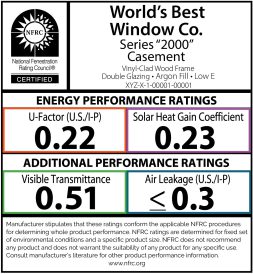
Energy-efficient window upgrades often qualify for federal, state, or utility incentives.
- 10–30% of qualifying window costs as a tax credit
- Typical caps of $200–$600 for windows
- Higher combined caps when paired with insulation or door upgrades
Programs change over time, so homeowners should always confirm current incentives before purchasing.
Final Verdict: Is Replacing Windows Worth It?
For many homeowners, yes, but not just for energy savings.
Replacing windows is often worth it if you plan to stay in your home, have older or failing windows, value comfort and quiet, and care about resale value. It is less compelling if you are chasing fast payback based on utility bills alone.
The smartest approach is often layered. Seal first, supplement where possible, and replace only when it truly makes sense.