
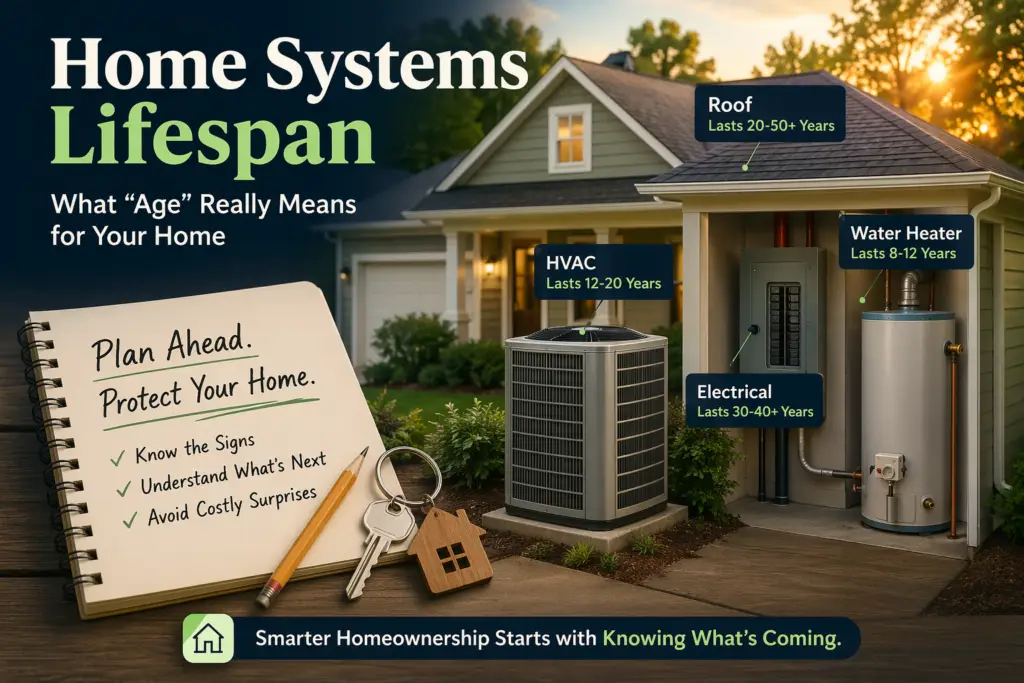
Most homeowners don’t think about how their home ages.
Not really.
They think about it in moments.
When the AC starts running longer than it used to.
When a repair comes up that wasn’t expected.
When a contractor asks, “Do you know how old this is?”—and you realize you’re not entirely sure.
Nothing feels urgent at first.
Everything still works.
But something has shifted.
And that’s usually where the confusion starts.
How Long Do Home Systems Last? (Quick Answer)
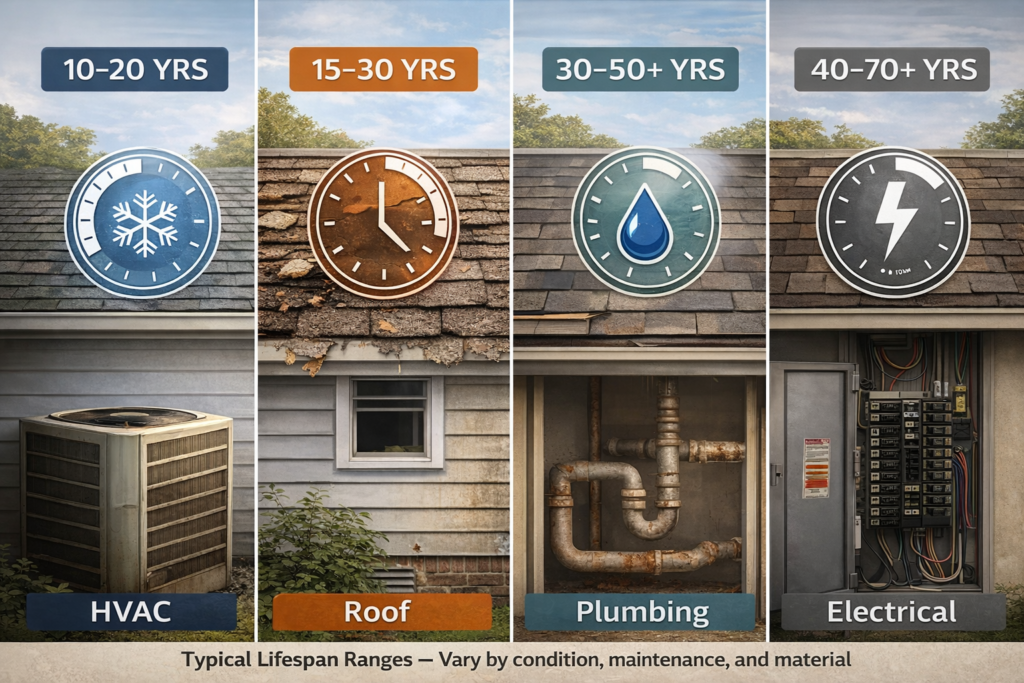
Most major home systems last between 10 and 30 years, depending on the type, installation quality, and maintenance.
But lifespan isn’t a deadline.
It’s a signal that a system is entering a different phase.
What matters isn’t just how old something is.
It’s what’s happening inside it.
What’s Actually Happening as Systems Age
Every major system in your home is under some form of stress.
- HVAC systems move air constantly
- Roofs absorb heat, cold, and weather
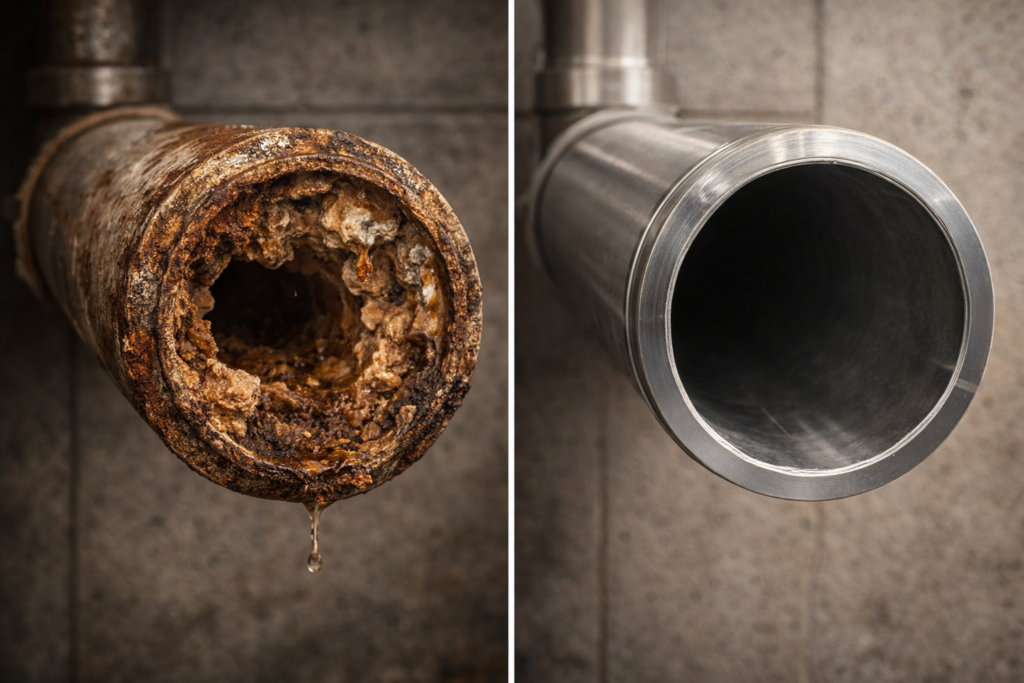
- Plumbing handles pressure and corrosion
- Electrical systems carry increasing load over time
They don’t wear out randomly.
They wear out from resistance, exposure, and use.
That’s why two systems with the same age can behave completely differently.
One may still feel stable.
Another may already be showing signs of strain.
Age tells you where you are.
Stress tells you what’s coming next.
Where Homeowners First Notice It
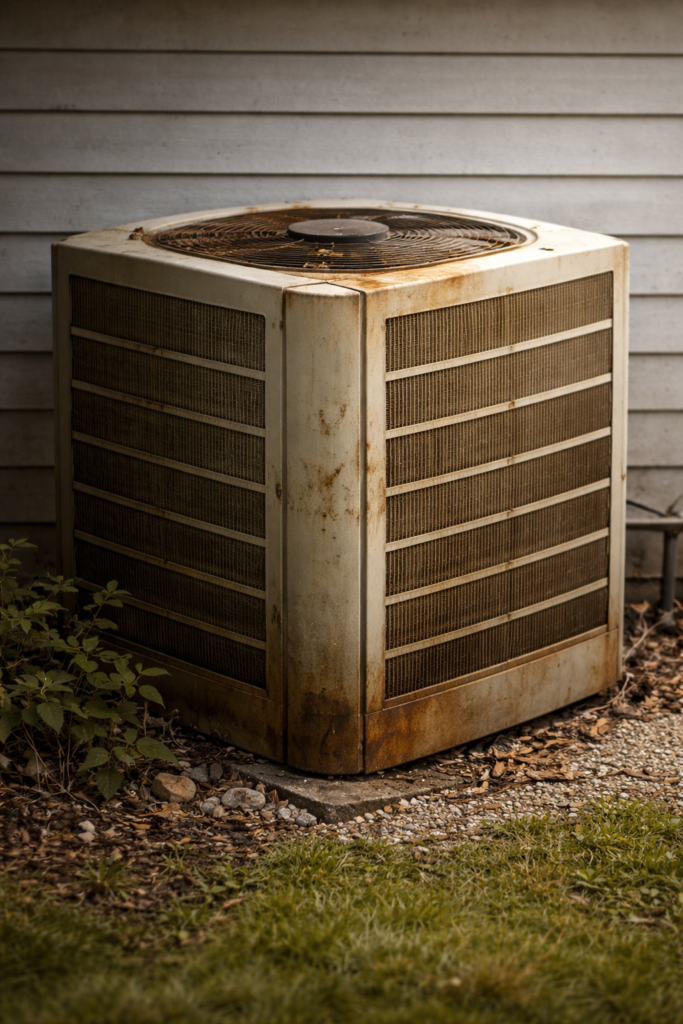
Most systems don’t fail first.
They narrow.
The AC still cools—but takes longer.
The hot water still works—but runs out faster.
The roof still looks fine—but small issues start appearing.
Individually, these don’t feel urgent.
That’s exactly why they’re easy to ignore.
But together, they point to something important:
The system is moving into a different stage of its life.
Why Lifespan Feels Confusing
Because not everything in your home follows the same pattern.
Some systems are built to run… and then be replaced.
Others are built into the home itself—and change gradually over time.
Systems That Wear Out and Get Replaced
HVAC systems and water heaters are the clearest examples.
They operate under load every day. Over time:
- Components wear down
- Efficiency drops
- Repairs become more frequent
Eventually, continuing to repair stops making sense.
That transition is usually gradual—but predictable.
👉 If you want to understand how HVAC systems age under real conditions:
https://joinhomeowners.org/hvac-lifespan/
👉 And how water heaters break down internally over time:
https://joinhomeowners.org/water-heater-lifespan/
Roofing: A System That Ages All at Once
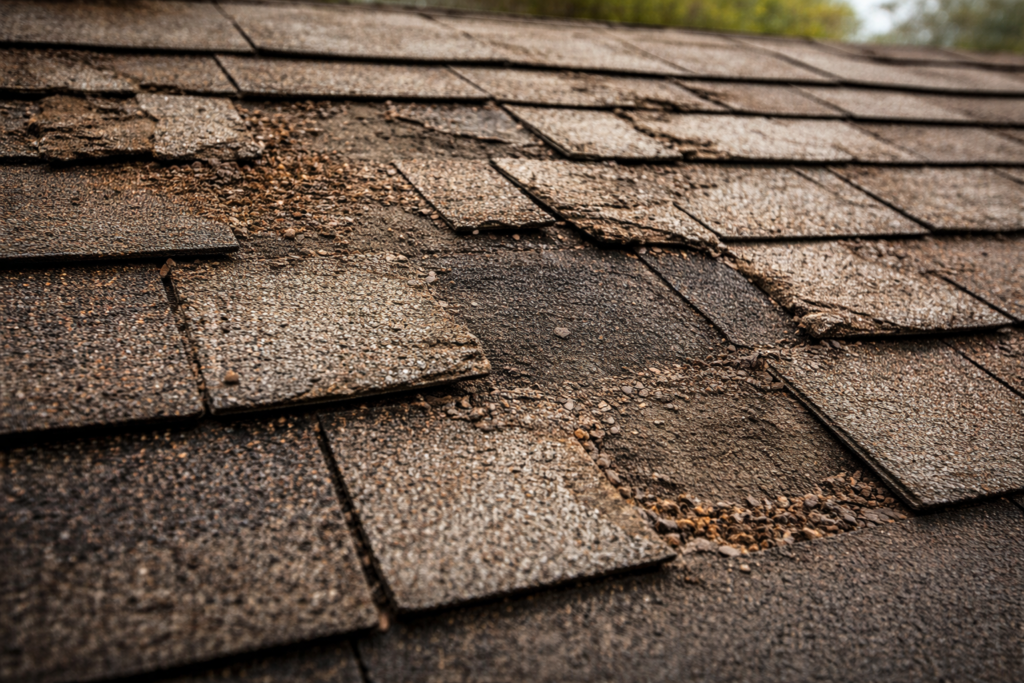
Roofing behaves differently—and this is where many homeowners get misled.
Early in its life, repairs are normal.
But over time, wear spreads.
Materials don’t fail in one spot—they degrade across the entire system.
Shingles lose granules. Heat and moisture take their toll. Small issues become widespread.
At that point, repairs stop lasting.
You’re no longer fixing damage—you’re managing decline.
That’s when full replacement becomes the smarter move.
👉 If you want to understand how different roofing materials age and what affects lifespan:
https://joinhomeowners.org/roof-lifespan/
Systems That Age Quietly
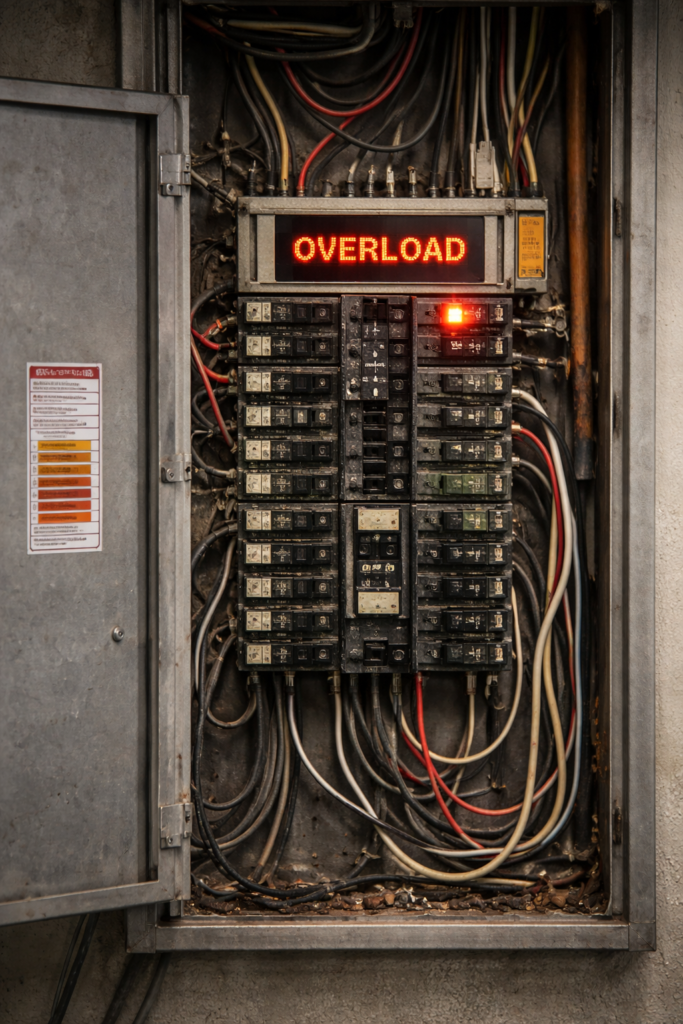
Electrical and plumbing systems rarely call attention to themselves.
They don’t wear out in obvious ways.
Instead:
- Wiring becomes outdated for modern demand
- Pipes corrode from the inside
- Small issues build slowly over time
What you see is the result—not the beginning.
And that’s why these systems tend to catch homeowners off guard.
Why Problems Feel “Unexpected”
Not because they are.
But because they weren’t being tracked over time.
Most homeowners handle things as they come up.
A repair happens. It gets fixed. Life moves on.
That works—until multiple systems begin aging at the same time.
Then everything compresses.
Repairs overlap. Costs stack.
And something that was predictable starts to feel sudden.
How to Think About Home Systems Lifespan in Real Life
Instead of focusing on exact timelines, it helps to think in stages.
Early on, systems feel stable.
Then small changes start to show up.
Later, risk increases—and decisions start to matter more.
You don’t need perfect timing.
You just need to recognize the shift.
Because once a system is clearly in its later stage, the goal changes:
Not to squeeze out every last year—but to avoid being forced into a decision under pressure.
Repair vs. Replace: What Actually Matters
At some point, every homeowner asks:
Should I fix this… or replace it?
Age alone won’t answer that.
What matters is:
- What the system is doing now
- What’s been happening over time
- What happens if it fails
🛠️ AHA Pro Tip
If the only reason you’re hearing “replace it” is age,
that’s not enough to make a decision.
Why Staying Ahead Is So Difficult
Not because it’s complicated.
Because it’s easy to lose track.
System ages fade. Small changes get ignored. Patterns go unnoticed.
And that’s how predictable issues turn into surprises.
How AHA HomeOS Fits In
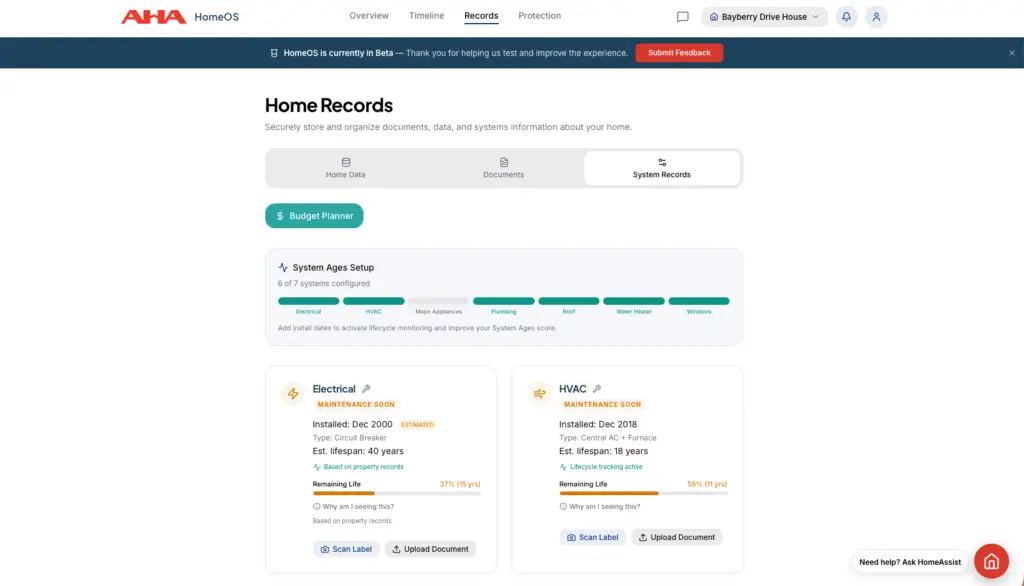
This is exactly the gap AHA HomeOS is designed to fill.
It doesn’t just store information.
It tracks your home as it changes.
- System age
- Lifecycle stage
- Emerging risks
So instead of relying on memory, you have a clear picture of what’s happening—and what’s coming next.
🛠️ AHA Pro Tip
You don’t need to track everything yourself.
You need a system that keeps track of it for you.
Every home changes over time.
That’s not the problem.
The problem is when those changes go unnoticed.
Because most major repairs don’t come out of nowhere.
They build—slowly—until something forces your attention.
And by then, the decision usually feels urgent.