

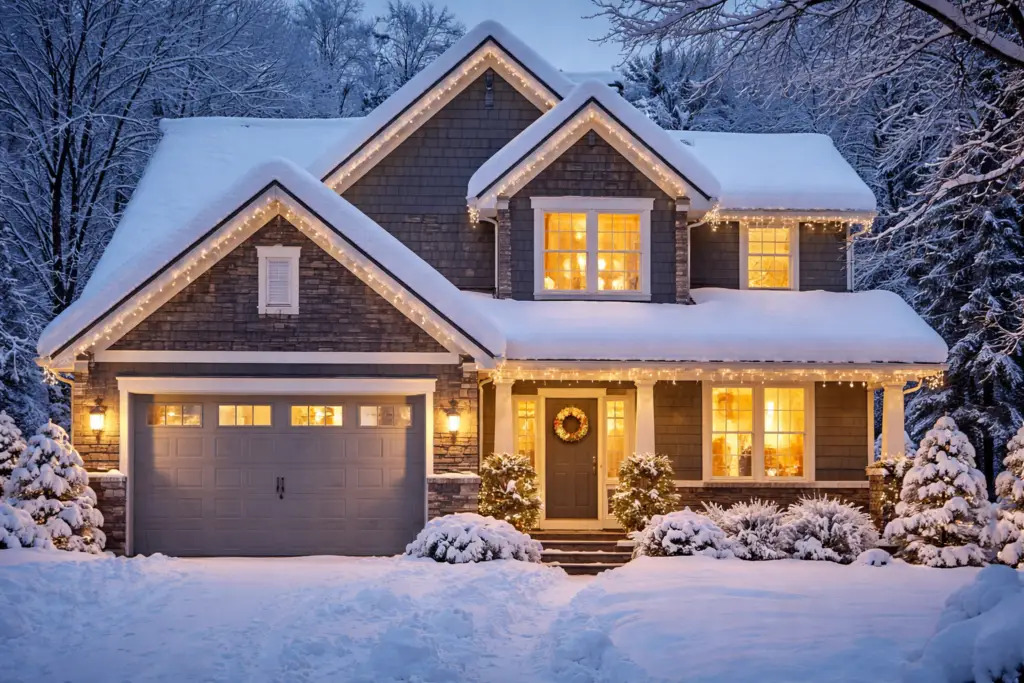
Each winter, U.S. homeowners file over a billion dollars in insurance claims due to water damage and freezing—often from preventable causes like burst pipes or roof leaks. The good news? With a little preparation, you can winterize your home to stay warm, prevent damage, and save money. This guide walks you through every essential step.
Real Homeowner Insight
According to a report by the Insurance Institute for Business & Home Safety, one of the most common and costly winter insurance claims is water damage from burst pipes. In homes where basic winterizing steps were missed, repair costs ranged from $5,000 to over $15,000. Preventing a disaster doesn’t require expensive upgrades—just a thoughtful checklist and a few hours of prep time.
Pro Tip: New smart sensors, like Ting’s frozen pipe prevention service, monitor your home’s electrical signals and temperature to help detect conditions that could lead to a frozen pipe before it happens. Some insurance companies even offer it for free.
Why Winterizing Your Home Matters
Winterizing isn’t just about comfort—it’s about protecting your home and your family. Unsealed drafts, underinsulated attics, and neglected heating systems can drive up your utility bills and increase the risk of home damage like burst pipes or roof leaks. By taking time in early fall to prep, you’re investing in your home’s resilience and efficiency all season long.
Does Winterizing Look Different by Region?
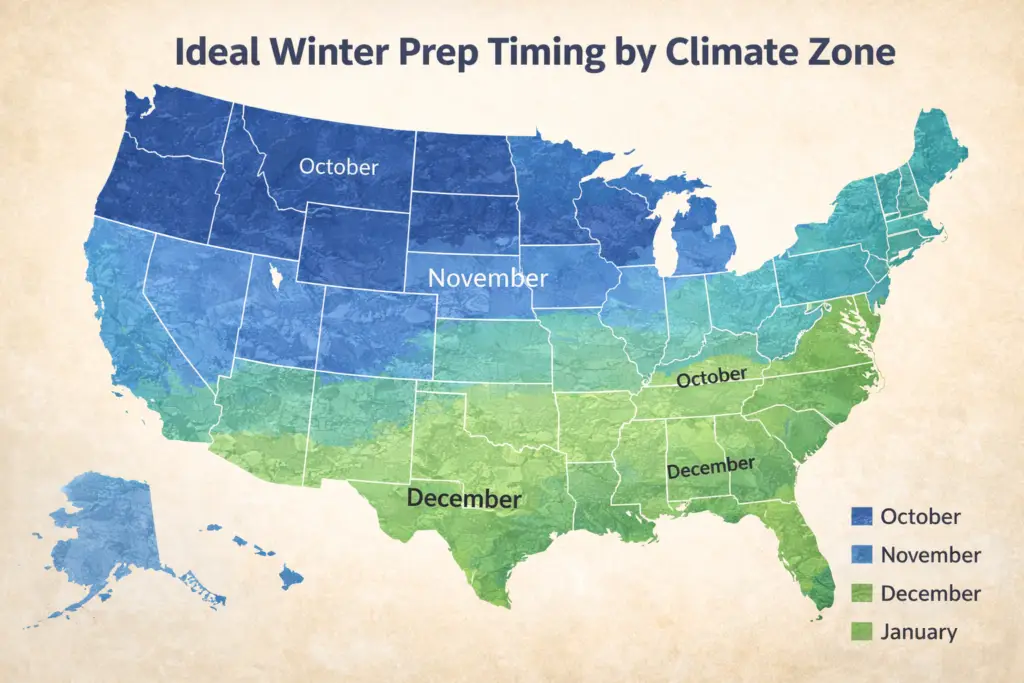
Absolutely. While the core idea is the same—protect your home from cold-related damage and high energy bills—what “winter” looks like varies widely depending on where you live.
❄️ Cold Climates (Upper Midwest, Northeast, Rockies)
- Must-do: Pipe insulation, furnace checkups, attic insulation, sealing drafts
- Timing: Begin in October or as early as September in northern zones
☁️ Moderate Climates (Mid-Atlantic, Pacific Northwest)
- Must-do: Gutter cleaning, HVAC check, weatherstripping, storm prep
- Timing: Aim for late October to early November
🌵 Warmer Climates (Southeast, Southwest)
- Must-do: Roof check, clean HVAC filters, prepare for storms (not snow)
- Timing: November or when nighttime temps dip below 50°F
Pro Tip: Winterizing isn’t just about snow. Even in milder zones, sudden cold snaps can damage pipes and spike heating costs.
Step 1: Seal Out the Cold
Start by tackling drafts and heat loss. Even small gaps can waste a lot of energy.
- Weatherstripping: Check doors and windows for air leaks. Add or replace weatherstripping as needed.
- Caulking: Seal cracks around window frames, siding joints, and exterior outlets.
- Door Sweeps: Install or replace door sweeps at the bottom of exterior doors.
- Window Insulation Kits: Apply plastic film to older windows to reduce heat loss.
- Ceiling Fan Reversal: Set ceiling fans to spin clockwise to push warm air downward.
- Attic Hatch Insulation: Seal and insulate attic access points.
- Smart Curtains or Blinds: Use programmable systems to open blinds during sunny hours and close them at night for heat retention.
Pro Tip: Use a thermal leak detector (around $25) to identify hidden drafts you might miss by hand.

Step 2: Protect Your Plumbing
Frozen pipes can crack or burst, causing thousands in water damage.
- Insulate Exposed Pipes: Use foam sleeves on pipes in unheated spaces like garages or crawl spaces.
- Outdoor Faucets: Disconnect and drain garden hoses. Install faucet covers or shut off water from inside.
- Drip Faucets: In extreme cold, let indoor faucets trickle to prevent freezing.
- Winterize Sprinklers and Pools: Drain irrigation systems and winterize pools if applicable.
- Know Your Shutoff Valve: Make sure you know where it is in case a pipe freezes or bursts.
- Smart Leak Detectors: Install under sinks or near water heaters to catch small leaks or freeze risks early—some models can shut off water automatically.
Watch Out: Don’t forget laundry rooms and basements. These often get overlooked but contain vulnerable plumbing.
Smart Home Tech Tip: Basic leak detectors alert you if water is present, but advanced systems can alert you before freezing occurs. Tools like Ting monitor indoor temperature and local outages, sending early alerts and step-by-step guidance. For more protection, water monitors and shutoff systems like Moen Flo or Flume can detect leaks in your main water line and stop damage before it starts.
Most smart leak and freeze sensors cost between $30 and $70. Full-home systems like Ting or Moen Flo are often available for under $300—sometimes even free through select insurance providers. That’s a small investment compared to the $5,000–$15,000 cleanup bill many homeowners face after a burst pipe—an event insurance may or may not fully cover.
Smart Tech Comparison Table
| Device Type | Examples | What It Does | Best For |
| Basic Leak + Freeze Sensors | Ring, First Alert, Aqara | Detects leaks or low temps; sends phone alerts | Early detection in key areas |
| Power + Temp Smart Sensor | Ting | Monitors temps & outages; alerts you before pipes freeze, guides actions | Whole-home early warning & outages |
| Water Flow Monitors | Flume | Tracks water use; detects unusual flow/leaks | Utility tracking + leak detection |
| Auto Shutoff + Monitoring | Moen Flo, Phyn Plus | Detects leaks and can automatically shut off water | Full-home water damage prevention |
Pro Tip: For maximum protection, combine freeze sensors with a shutoff device—especially if you travel or own a second home.
Step 3: Service Key Systems
Think of this as a health checkup for your home.
- HVAC Tune-Up: Schedule a professional inspection to ensure your furnace or boiler is working efficiently.
- Change Filters: Replace furnace filters for optimal performance.
- Thermostat Check: Install a smart thermostat that adjusts automatically based on your habits and can save up to 12% on heating.
- Chimney & Fireplace: Have your chimney professionally cleaned if you use it.
- Smoke & CO Detectors: Replace batteries and test all safety alarms.
- Clear Exterior Vents: Ensure nothing is blocking dryer or furnace vents.
- Smart HVAC Sensors: Monitor temps in key rooms to prevent uneven heating or freezing conditions.
Step 4: Prep Your Exterior
Snow, ice, and wind can wreak havoc outside. A little prevention goes a long way.
- Clean Gutters: Remove leaves and debris to prevent ice dams.
- Inspect Roof & Flashing: Look for missing shingles or loose flashing that could let water in.
- Install Gutter Guards or Heat Cables: In snow-heavy areas, consider these to reduce ice dam risk.
- Trim Branches: Cut back limbs that hang over the house or power lines.
- Cover or Store Outdoor Furniture: Protect it from snow and ice.
- Smart Plugs or Timers: Use with holiday lights, outdoor heat tape, or water pipe warmers to conserve energy.
Step 5: Boost Energy Efficiency
Small upgrades can make a big difference in your winter comfort.
- Window Treatments: Add thermal curtains to reduce heat loss.
- Smart Thermostats: Program lower temps while you sleep or are away.
- LED Bulbs: Winter means longer nights. Switching to LED saves energy and money.
- Schedule an Energy Audit: A pro can identify hidden inefficiencies and suggest cost-saving upgrades. You can always start with a DIY walk through on your own to get an idea of any issues.
Step 6: Prepare for Winter Emergencies
Storms and power outages happen. Be ready.
- Emergency Kit: Stock flashlights, batteries, blankets, bottled water, and a battery-powered radio.
- Portable Heaters: Know which ones are safe for indoor use.
- Fuel Supply: If you use propane or firewood, stock up early.
- Remote Home Monitoring Systems: Helpful for snowbirds or frequent travelers—get alerts for temperature drops, smoke, or CO events via your smartphone.
Special Note: Leaving Your Home Vacant?
If you’ll be away for weeks (snowbirds, holiday travel), consider:
- Shutting off the water and draining pipes
- Keeping the thermostat at 55°F or higher
- Asking a neighbor to check in periodically
- Installing smart sensors that alert you to water leaks, low temps, or power loss remotely
Pro Tips and Common Pitfalls
Even small habits can add up: open your curtains on sunny winter days to let in free heat, and close them at night to keep warmth inside.
Watch Out: Don’t skip furnace filter changes. A dirty filter reduces efficiency and can shorten your system’s lifespan.
Conclusion: A Safer, Warmer, Cheaper Winter
Winterizing your home doesn’t have to be overwhelming. With a weekend of effort and this checklist in hand, you can avoid costly surprises, keep your family safe, and enjoy a warmer home without overpaying on energy bills.
Download the AHA Winter Home Readiness Checklist to make sure nothing gets missed.